

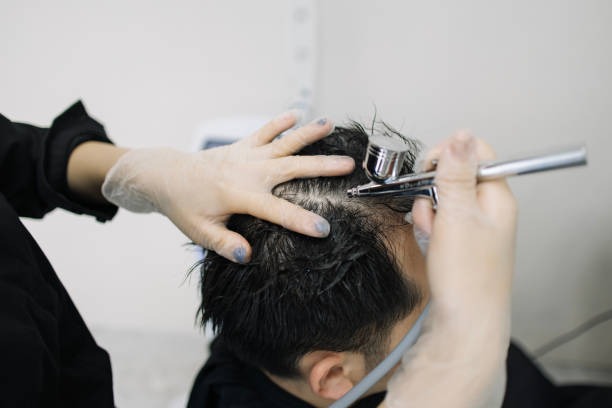
Hair transplantation has emerged as a popular solution for individuals experiencing hair loss, offering a permanent and natural-looking remedy. This procedure involves moving hair follicles from one part of the body, typically the back or sides of the scalp where hair is more resistant to balding, to areas experiencing thinning or baldness. The benefits of this surgical technique extend beyond merely aesthetic improvements; they can significantly enhance an individual’s self-esteem and overall quality of life.
One of the primary advantages of hair transplantation is its ability to provide a long-lasting solution. Unlike temporary fixes such as wigs or topical treatments that require ongoing maintenance and expense, transplanted hair continues to grow naturally over time. This permanence makes it an appealing option for those seeking a sustainable answer to their hair loss concerns. Additionally, because the transplanted hairs are one’s own, they blend seamlessly with existing strands, ensuring a natural appearance that is virtually undetectable.
The procedure itself has evolved significantly over recent years, becoming less invasive and more efficient due to advancements in medical technology. There are two main techniques used today: Follicular Unit Transplantation (FUT) and Follicular Unit Extraction (FUE). FUT involves removing a strip of skin from the donor area and dissecting it into individual follicular units for transplantation. FUE, on the other hand, extracts individual follicles directly from the donor site using specialized tools. Both methods have their merits; however, FUE is often favored for its minimal scarring and quicker recovery time.
Recovery from a hair transplant varies depending on several factors including the extent of the procedure and individual healing rates but generally follows a predictable pattern. Initially, patients may experience some swelling or discomfort in both donor and recipient sites which subsides within days. Tiny crusts form around each transplanted follicle but fall off within two weeks post-surgery as new growth begins underneath them.