

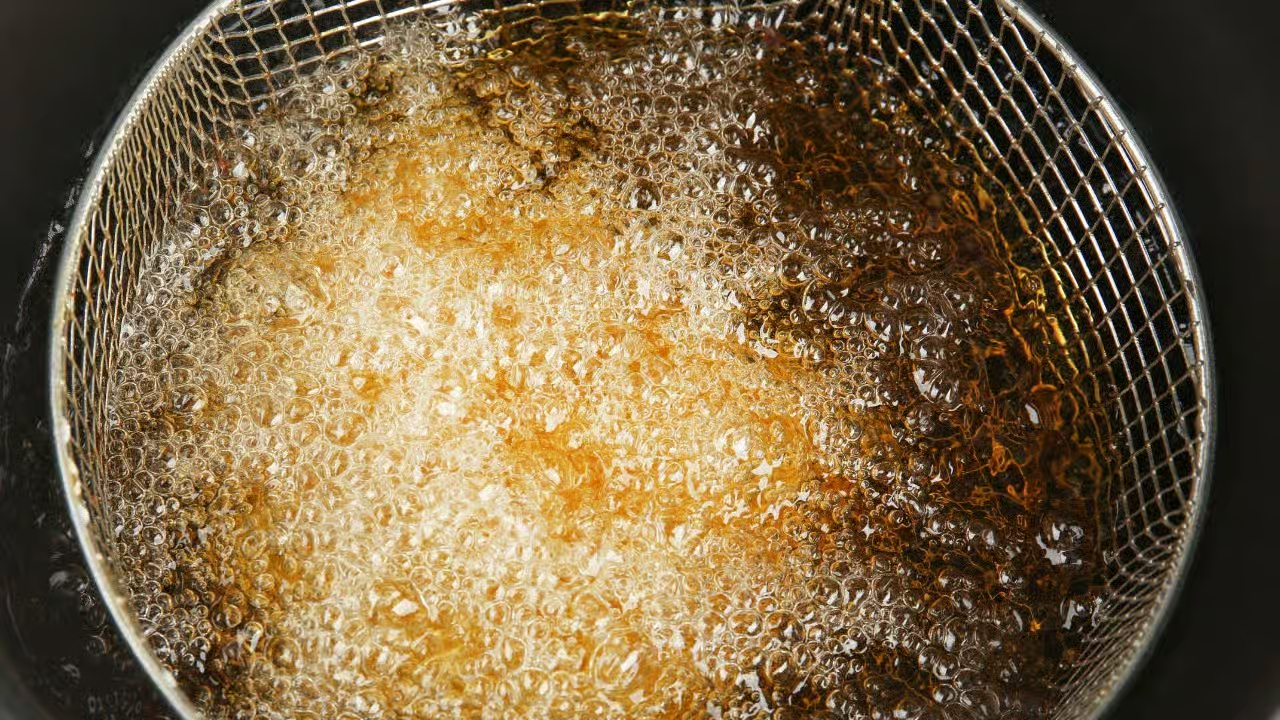
In the fast-paced world of food service, maintaining a balance between quality and cost is paramount. One of the often-overlooked aspects that can significantly impact both is fryer oil management. Implementing a planned fryer oil change frequency not only enhances food quality but also serves as an effective cost control measure.
Fryer oil, over time, degrades in quality due to exposure to high temperatures and constant use. This degradation affects the taste and texture of fried foods, potentially diminishing customer satisfaction and repeat business. More importantly, using degraded oil can lead to increased absorption into the food, resulting in higher calorie content which might not align with health-conscious customer demands.
From a financial perspective, regularly changing fryer oil based on a planned schedule rather than waiting for clear signs of deterioration offers several advantages. Firstly, it extends the life of frying equipment by preventing residue build-up that can cause blockages or damage components over time. This proactive maintenance reduces repair costs and downtime associated with unexpected equipment failure.
Moreover, adhering to a scheduled change frequency allows for better inventory management. By predicting when new supplies are needed more accurately, businesses can avoid emergency purchases at premium prices or excess stock that ties up capital unnecessarily. Additionally, suppliers may offer discounts for regular bulk orders aligned with predictable usage patterns.
Implementing this strategy requires understanding optimal change frequencies tailored to specific operational needs. Factors such as menu offerings—some items degrade oil faster than others—and peak business hours must be considered to design an effective schedule. Utilizing tools like test strips or digital monitors helps assess oil quality objectively rather than relying solely on visual cues or smell which can be subjective and inconsistent.
Training staff on proper filtering techniques also complements this approach by maximizing each batch’s lifespan before disposal becomes necessary. Educating employees about recognizing signs of compromised oil ensures timely changes without premature disposals that waste resources.
Furthermore, communicating these practices transparently with customers adds value by aligning operations with consumer expectations regarding sustainability and health standards—a growing trend influencing dining choices today.
In conclusion, establishing a planned fryer oil change frequency is an investment in both product quality and financial efficiency within any food service operation utilizing fryers extensively in their kitchen processes.